
Every number explains itself
Explain mode shows the rule behind every number.
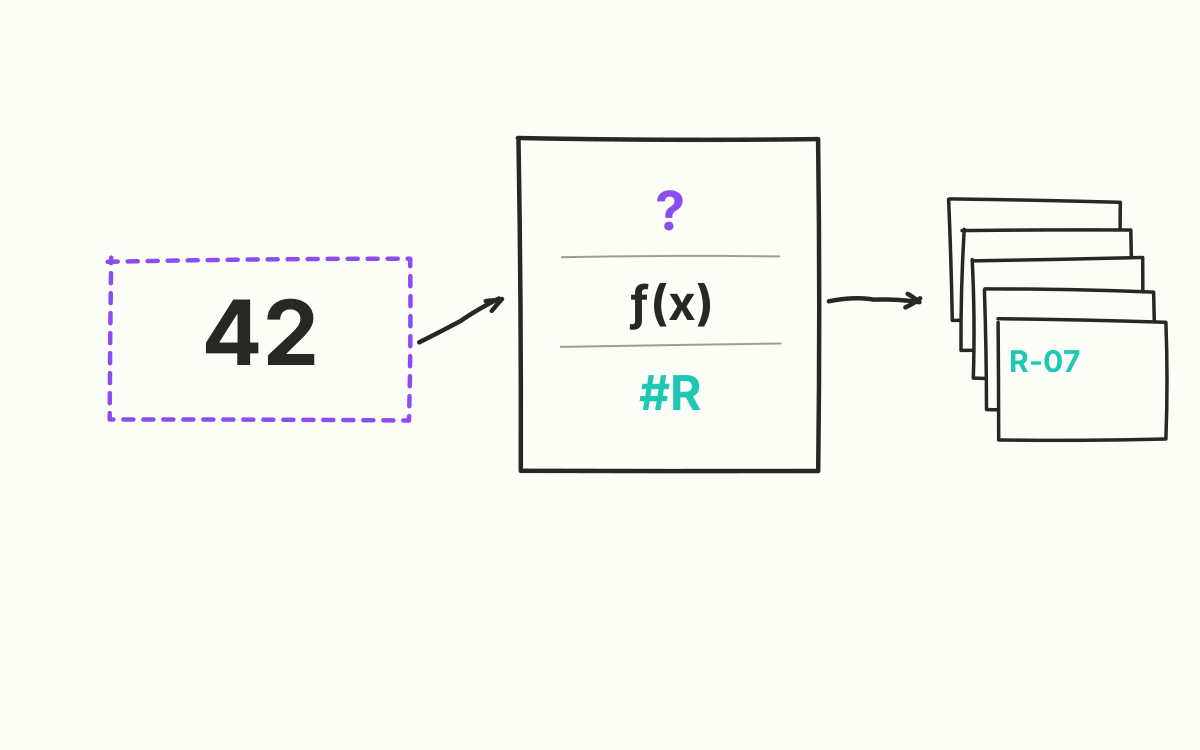
“Where does this number come from?” In every meeting where numbers are shown, this question comes up. And it is usually followed by a second one: “Would controlling calculate it the same way?” If you don’t know the answer you lose the conversation – not because the number is wrong, but because nobody can explain why it is right.
Since this month every number in Pythia explains itself.
Explain mode
An “Explain” switch – or simply the question-mark key – has three levels: off, rules, operation.
- Rules: every number that can be explained gets a dashed frame. Pointing at it opens a card: what the number is, how it was calculated – with the actual values, not a general formula – and which rules apply. A click pins the card.
- Operation: every switch, every filter, every tab explains what it does, which values it knows and what effect it has. A card at the top of every page says what the page actually shows.
The state is in the address. If you want to send a colleague an explained view, you just send the link.
The rule register
Behind the cards sits the rule register: all of Pythia’s agreed calculation and data rules, each with its own ID, title, rationale, formula and parameters. How far back does the anchor reach? When does a previous year count as a build-up year? When does a price change count? For each of these questions there is exactly one rule.
A dedicated page turns the register into a reference work, organised into 14 subject groups – from where the numbers come from, through calculation and display, to access – and searchable by ID, text and formula.
A rule that only exists in the code is a claim. A rule you can look up is an agreement.
Pitfalls
Some numbers are calculated correctly and still misread. A red candle in the calendar year although the year was strong. A slump in the last few days that isn’t one. For such cases there is the “Pitfalls” page: each one with its cause and its remedy. Notes below the timeline link straight to it.
One example: on the order-intake axis, an order day is only invoiced bit by bit – just under half on the same day, almost all of it after three days. If the window reaches into the last few days, Pythia says how complete they are. A drop there is lag, not a slump. We had assumed two weeks of lag; measured, it is a few days.
Next month: returns and credits – the flip side of revenue.