
Every year in view
Comparison needs history: Pythia now keeps every year, back to 2015.
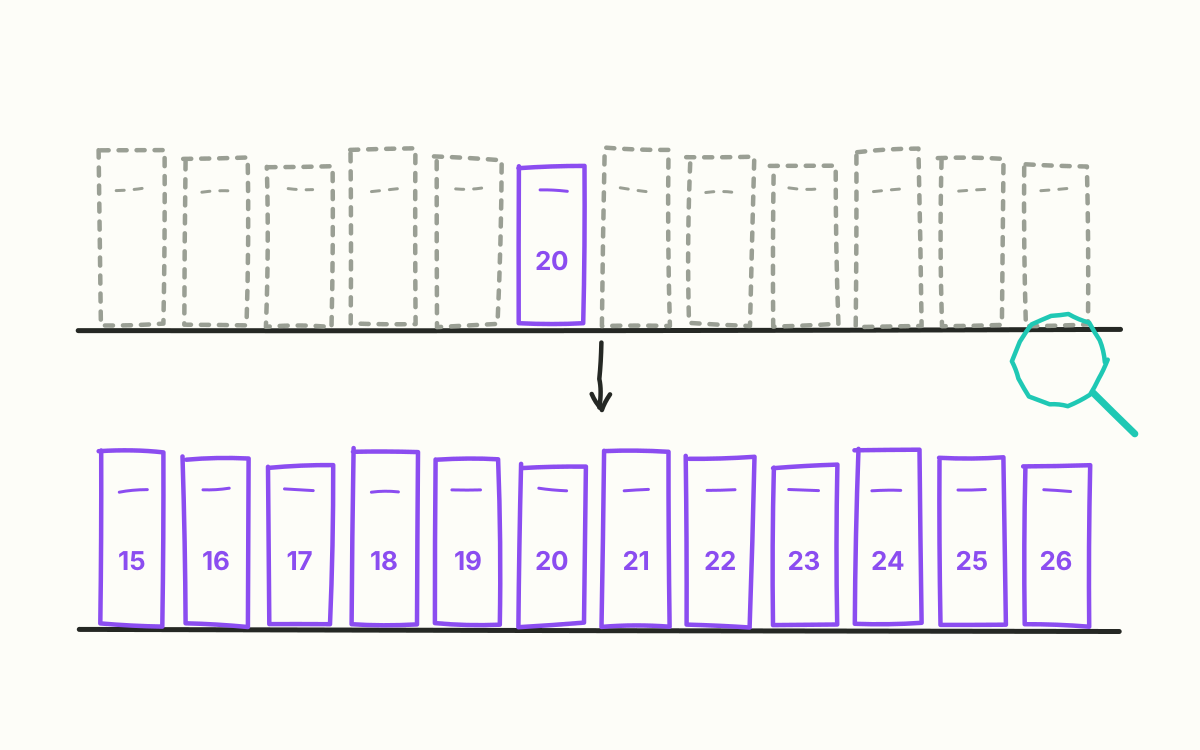
“How did this July compare with the last five years?” A simple question – and one the early Pythia couldn’t answer. Not because the old years were missing. They had all been imported. There was simply nothing left of them.
Six years loaded, one kept
The reason lay in a detail nobody noticed on the first import. Every import first emptied the raw data, and every rebuild of the figures first emptied the fact tables. With a single file that is perfectly fine. With six annual files it means each one overwrites the one before. In the end, the system held exactly the year that had been loaded last.
For an analytics platform that is a fundamental problem. Without comparison with earlier years there is no expectation, without expectation no deviation, and without deviation no question of why. Every later stage of Pythia depends on the history being complete.
What changed
- Additive import: new files add to the data instead of replacing it. A file delivered again updates exactly its own rows.
- Stable key: every receipt line gets a key that survives year-ends – even when the ERP reuses receipt numbers in a later year.
- Older files with fewer columns: earlier exports don’t yet know some columns. Only the core columns are mandatory; everything else is optional. A missing field no longer blocks a whole year.
- Honest gaps: where the cost of goods is missing in old years, Pythia shows an empty margin – instead of one that is exactly as high as revenue.
Older annual files were then added. Pythia’s history now goes back to 2015.
What a long history makes possible
With many years on record, the questions you can ask change. Instead of “better or worse than last year?” the question becomes “what does a normal July look like for us – and how far is this one from it?”. A single unusual previous year loses its grip on the comparison.
One previous year is a comparison. Many previous years are a yardstick.
Pythia later uses that yardstick for the expectation behind every candle on the timeline. Without the complete history it would not have been possible.
Next month: order in the range – from the big picture down to a single item.