
Data that arrives on its own
Automatic intake collects receipt data, checks it and reports what doesn’t fit.
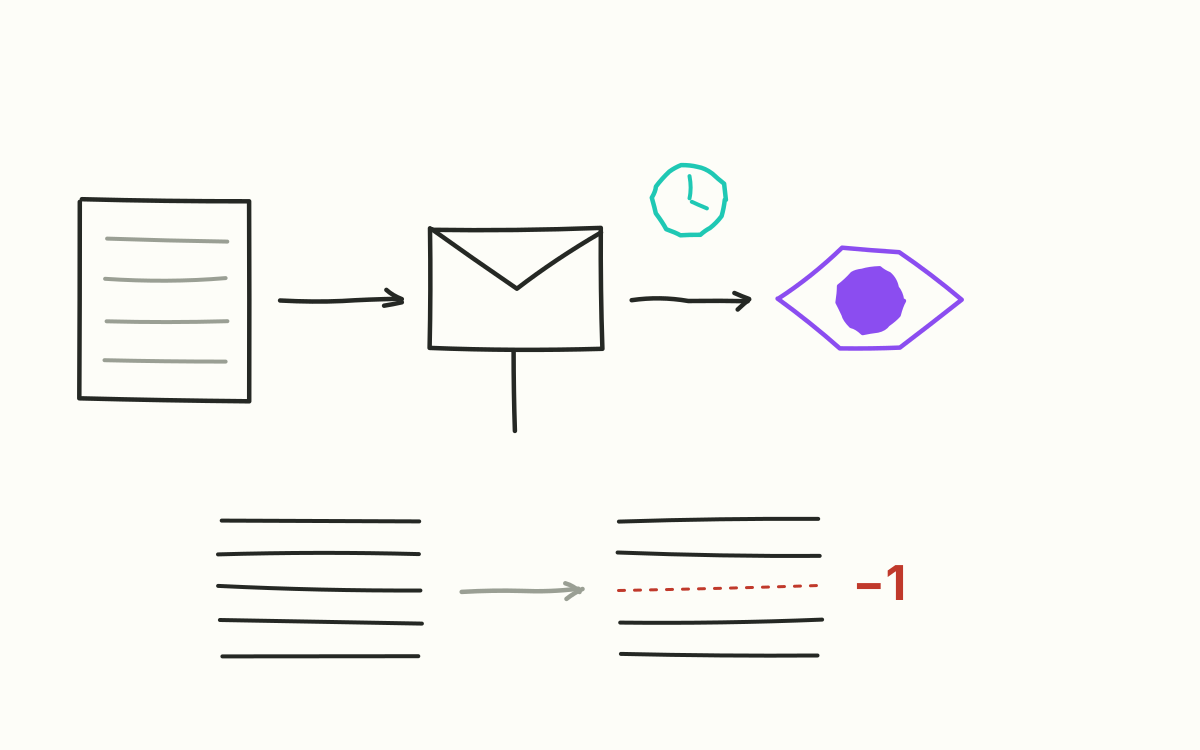
Who actually uploads the export every morning? And what happens when they are on holiday? In many companies, how current every report is depends on one person and one habit. If either fails, everyone works with numbers from the day before yesterday – and doesn’t notice.
Since this month, Pythia fetches its data itself.
The intake
At fixed intervals Pythia checks an exchange point for new files. If it finds any, it imports them, rebuilds the reports and logs what happened. Nobody has to move files, nobody has to remember.
The route is deliberately built so that the ERP never talks to Pythia directly. REXAworker collects the exports from the ERP, REXAdata provides them, and Pythia picks them up there. Each side has one clear job, and none needs access to the others’ systems.
A finding that changed the plan
Originally we wanted to take over only the new rows of an annual file – after all, the file grows over the year. Before building that, we compared the deliveries of two consecutive nights. The result was clear: the ERP rewrites the annual file completely every night. Running numbers shift, and individual lines disappear because they were deleted in the ERP.
Had we only appended what was new, deleted receipts would have stayed in the reports forever.
So Pythia treats every delivery as a full snapshot: what is in the file is what counts. Anything that was in the previous snapshot but is missing from the new file is marked as deleted – not removed without trace. If a line reappears, it is reactivated.
Protection against accidents
- If an import would delete more than one per cent of an annual file, it stops and reports the numbers. An accidentally empty or truncated delivery can’t do any damage.
- Every file is processed exactly once. If a file that has already been imported changes afterwards, Pythia reports an anomaly instead of quietly overwriting.
- If processing fails after an import, the next run catches up – even without a new file.
- Deliberate exceptions – such as a delivery that really does contain many deletions – can be released explicitly.
Next month: the timeline is here – Pythia’s central view.